
When Rohail Hyatt sat behind a mixing console in 2008 and pressed record on a fusion of folk, qawwali and rock, almost nobody expected the result to outlast the season. Eighteen years later, Coke Studio Pakistan is no longer a corporate-sponsored music show. It is a cultural movement that has rewritten how Pakistani music sounds, travels and earns respect on the global stage.
From Atif Aslam’s first goosebump-inducing rendition of “Jal Pari” to the three-billion-view phenomenon of “Pasoori,” the franchise has produced more singalong national moments than any film, drama or political event in the same period. Its real achievement is not viral hits, it is changing the sonic identity of an entire country.
Rohail Hyatt’s 2008 Experiment That Changed Everything
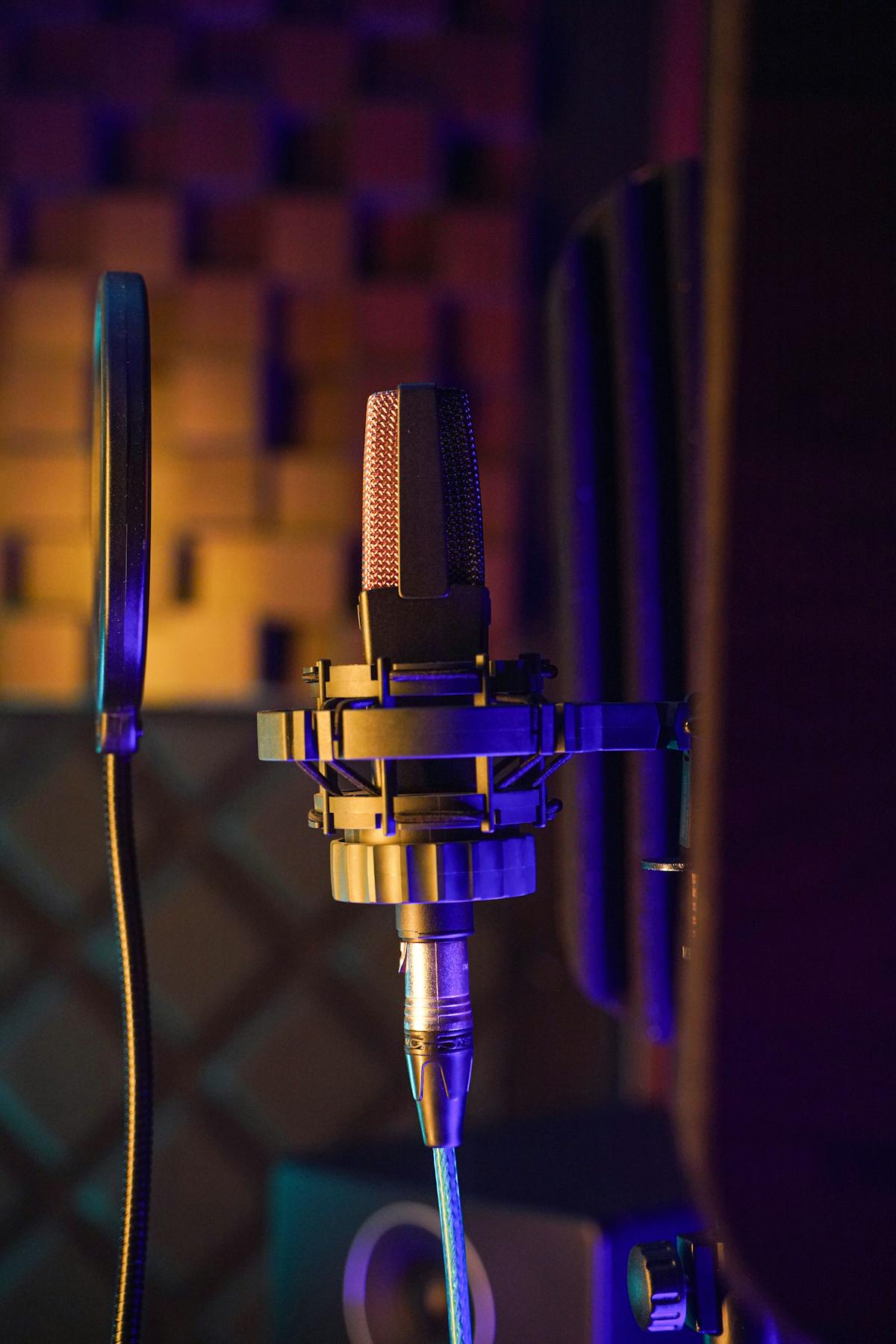
Coke Studio Pakistan launched in June 2008 as a single-camera, single-room recording series with a then-radical idea: pair contemporary pop singers with classical and folk masters, record live with a house band, and broadcast the unedited result. Rohail Hyatt, already a legend as one-third of Vital Signs, produced the first six seasons and personally curated every collaboration.
That format choice was not cosmetic. By recording live, the show gave veterans like Abida Parveen, Rahat Fateh Ali Khan and Ustad Saami a stage with broadcast-quality audio that mainstream Pakistani television had stopped offering. Younger listeners suddenly heard living legends without the filter of nostalgia.
Why Did Coke Studio Pakistan Become So Popular Globally?
Coke Studio Pakistan went global because it offered the world something it was not getting elsewhere, a confident, unapologetic blend of South Asian musical roots with modern production. International listeners with no Urdu or Punjabi background discovered the show through YouTube algorithms and stayed for the musicianship.
The numbers tell the story. Coke Studio’s official YouTube channel has accumulated billions of total views, with significant audiences in India, the United Kingdom, the United States, the Gulf and Southeast Asia. For Pakistani diaspora communities in particular, every new release became a ritual download and a way to share home with non-Pakistani friends.
Season 14’s Pasoori Moment: When Coke Studio Broke the Internet
If one track captures the show’s reach, it is “Pasoori” by Ali Sethi and Shae Gill from Coke Studio Season 14, released in February 2022. The song crossed a billion YouTube views within a year, topped Spotify’s Global Viral 50 chart, and was covered by international artists in multiple languages.
“Pasoori” worked because it followed the show’s blueprint, a poetic Punjabi hook, classical phrasing, modern Reggaeton-tinged percussion, and because Xulfi, the producer who took over from Rohail, doubled down on cinematic visuals. The track turned Ali Sethi into an international touring artist almost overnight.
The Songs That Built the Coke Studio Catalogue
Beyond “Pasoori,” the show’s catalogue includes era-defining recordings: “Tajdar-e-Haram” by Atif Aslam, “Afreen Afreen” by Rahat Fateh Ali Khan and Momina Mustehsan, “Aitebar” by Vital Signs reunion, and Abida Parveen’s spellbinding renditions of Bulleh Shah’s poetry. Each crossed cultural and linguistic borders without losing its Pakistani roots.
The Format That Made It Work: Folk Meets Modern Sound
Coke Studio’s signature format is deceptively simple: take a folk melody or classical raag, pair it with a contemporary singer, build a band around it, and record live. What sounds basic on paper requires extraordinary preparation. Rehearsals can run for weeks before a single take.
The house band over the years has included Babar Ali Khanna on dholak, Javed Bashir on backing vocals, and arrangers like Faraz Anwar and Asad Ahmed who translate melodic ideas into multi-instrument arrangements. The result feels effortless on screen because the work happens long before the cameras roll.
The Studio’s Influence on Pakistan’s Music Industry
Before Coke Studio, Pakistani mainstream music was largely defined by film soundtracks and pop singles released on television channels. The show created an alternative ecosystem in which fusion, folk and indie artists could find a national audience without needing a movie or a TV channel deal.
That shift opened the door to artists like Ali Sethi, Hadiya Hashmi, Faris Shafi, Natasha Noorani and Quratulain Balouch, who built careers around studio releases and live festivals. It also gave veteran qawwals and folk musicians a second professional life on streaming platforms, a financial dignity many had been denied by the traditional record industry.
What’s Next for Coke Studio Pakistan
The producer baton has changed hands several times, from Rohail Hyatt to Strings to Xulfi and beyond, and each handover has brought stylistic shifts. Some seasons leaned heavier into pop, others into devotional and Sufi tradition, and recent editions have experimented with hip-hop and electronic production.
What stays constant is the institutional faith that South Asian musical heritage, recorded with care and presented with cinematic ambition, can still capture global attention. As long as that conviction holds, Coke Studio Pakistan will keep producing the moments that define how the country sounds to itself and to the world.
Key Takeaways
- Launched in 2008, Coke Studio Pakistan was created by Rohail Hyatt as a live-recorded fusion experiment.
- Pasoori by Ali Sethi and Shae Gill became the show’s biggest global hit, crossing a billion YouTube views.
- Veteran legends like Abida Parveen and Rahat Fateh Ali Khan reached new generations through the platform.
- The format, folk plus modern production, recorded live, has shaped the broader Pakistani music industry.
- Producer transitions from Rohail Hyatt to Strings to Xulfi have kept the show evolving without losing its identity.
Which Coke Studio Pakistan song means the most to you, the all-time classic or a recent surprise? Drop your favourite in the comments.